
- This event has passed.
Chemical Engineering Spring Seminar Series: Sara H. Rouhanifard
January 29, 2025 @ 12:00 pm - 1:00 pm
Developing tools for single-molecule sequencing and imaging of RNA modifications
Location: 135 Shillman Hall
Abstract: Despite every cell in the human body having the same genetic makeup, gene expression varies greatly between them. The process of DNA transcription into RNA, along with subsequent post-transcriptional modifications, is crucial for achieving this variability and enabling cell specialization. To manage and potentially correct abnormal gene expression, it’s essential to understand these complex regulatory steps. This understanding relies on developing advanced tools for single-molecule identification, quantification and imaging of RNAs.
In this talk, I will detail our efforts to identify newly modified mRNAs in human cells using direct, long-read sequencing technologies. We are leveraging this technology to explore how RNA modifications impact the physiological functions of developing neurons and immune cells from the human body. By visualizing RNA populations within cells, we can gain insights into their functions and mechanisms—localization often suggests function, while single-cell distribution can reveal underlying mechanisms.
I will also discuss our work on developing methods for site specific imaging of modified and newly transcribed RNAs, including new chemistry designed for live-cell imaging with single-molecule resolution. These innovations promise to deepen our understanding of gene regulation and pave the way for new therapeutic approaches, such as vaccines for infectious disease and advanced gene therapies.
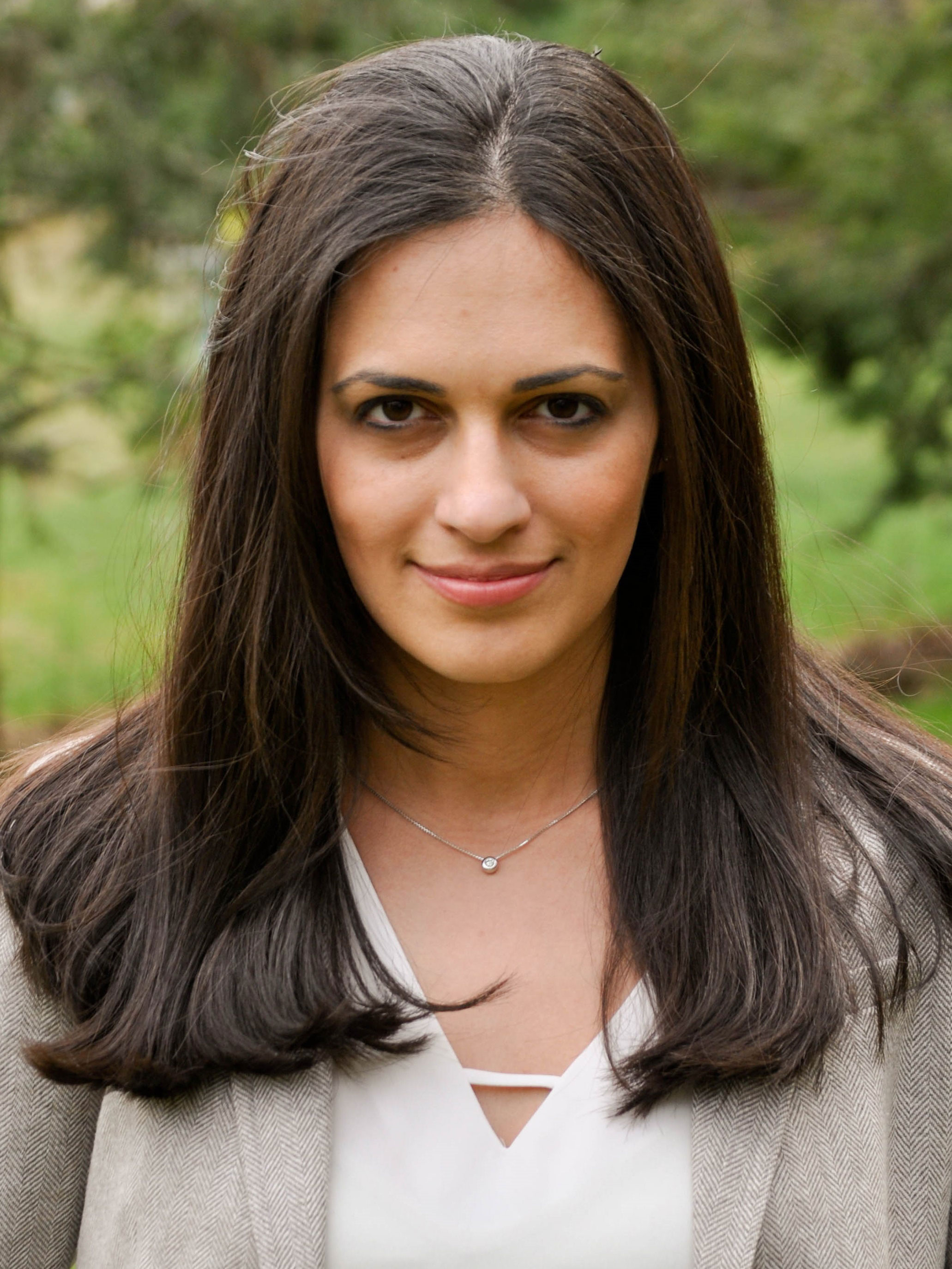 Prof. Rouhanifard received her B.S. in Biochemistry and Molecular Biology from UMass Amherst in 2007. She then completed a Ph.D. in Biochemistry at the Albert Einstein College of Medicine under the supervision of Peng Wu, developing chemical tools to probe glycosylation in cells using biorthogonal chemistry. She then joined the laboratory of Arjun Raj Bioengineering department at the University of Pennsylvania as a postdoctoral associate and a NIH Ruth S. Kirschstein F32 National Research Service Award fellow, where she developed single-molecule approaches to image RNA in cells. She joined the Northeastern Bioengineering department as an assistant professor in 2019. Her primary research interests lie in understanding the epitranscriptome and related mechanisms that govern cellular differentiation and response to external stimuli. The Rouhanifard laboratory develops quantitative, single-molecule sequencing and imaging approaches using new chemistry to identify and perturb sites of RNA modifications to reveal specific biological functions that may be exploited for the development of future therapeutics.